Welcome to the official website of Luoyang Yixin Environmental Protection Technology Co., Ltd.!


Dedicated to air pollution control
Design, Development, Production, Sales, Installation, and Maintenance Services

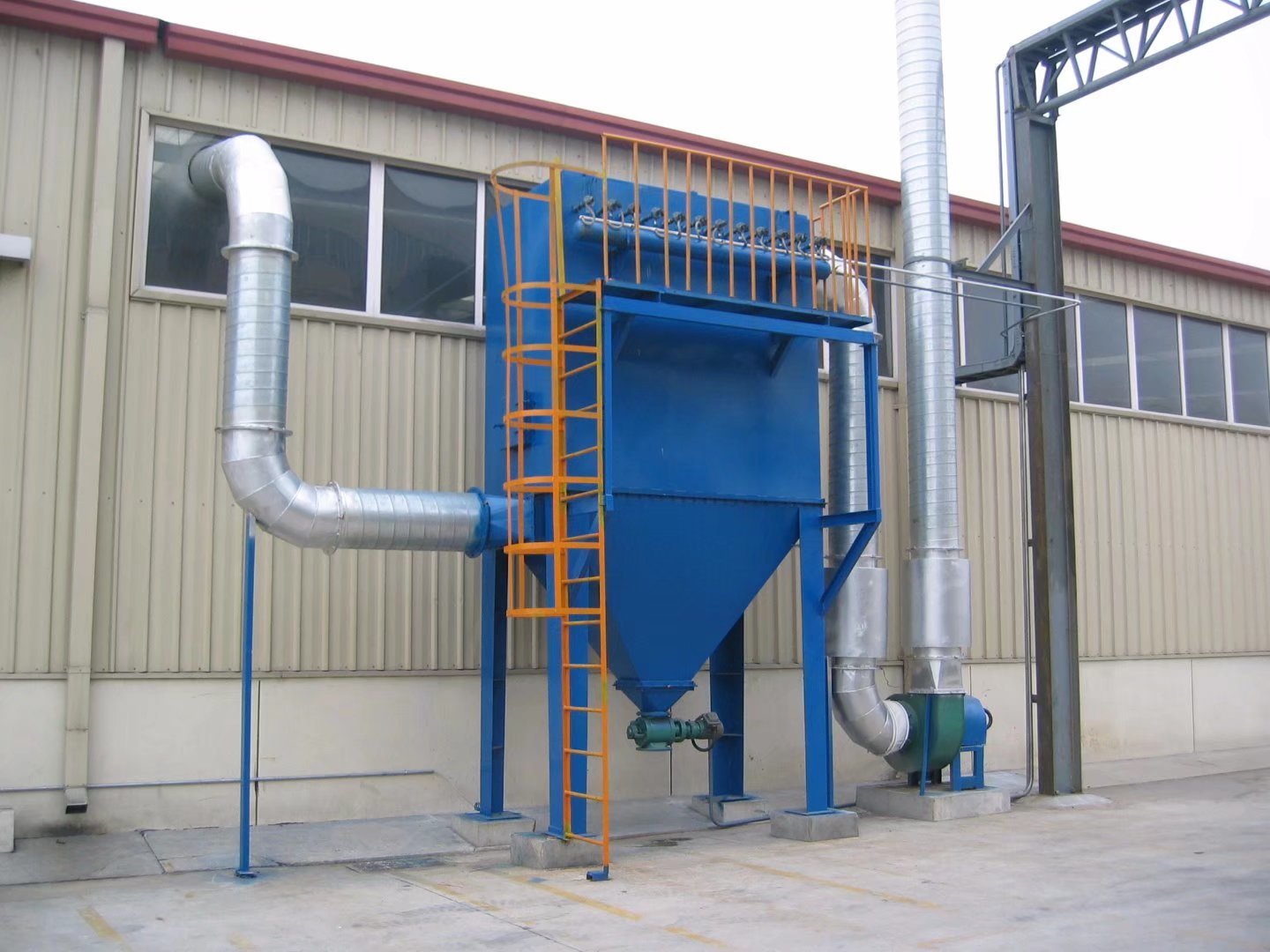
Understanding the principles of VOCs waste gas purification equipment
Understanding the Principle of VOCs Waste Gas Purification Equipment With the development of industry, air quality issues have received increasing attention. VOCs (volatile organic compounds) are one of the main substances causing air pollution. In order to reduce the impact of VOCs on the environment, Henan VOCs waste gas purification equipment has become an effective means of addressing air pollution. The principle of VOCs waste gas purification equipment is to use chemical reactions to convert organic gases into harmless substances. It is mainly divided into three steps: 1. Adsorption: VOCs waste gas purification equipment uses physical adsorption to adsorb VOCs onto the adsorbent. 2. Desorption: The waste gas purification equipment desorbs the VOCs from the adsorbent by heating, releasing the VOCs from the adsorbent. 3. Oxidation: The VOCs in the adsorbent enter the oxidation reactor and react with oxygen to form harmless substances such as CO2 and H2O. The advantages of Henan VOCs waste gas purification equipment lie in its high efficiency, economy, and environmental protection. It can effectively treat VOCs waste gas with high concentration and complex components, meet national emission standards, reduce the environmental protection costs of enterprises, and improve the environmental image of enterprises. When using VOCs waste gas purification equipment, attention should be paid to the operation and maintenance of the equipment. Operations should be strictly in accordance with the operating procedures.
2023-06-01

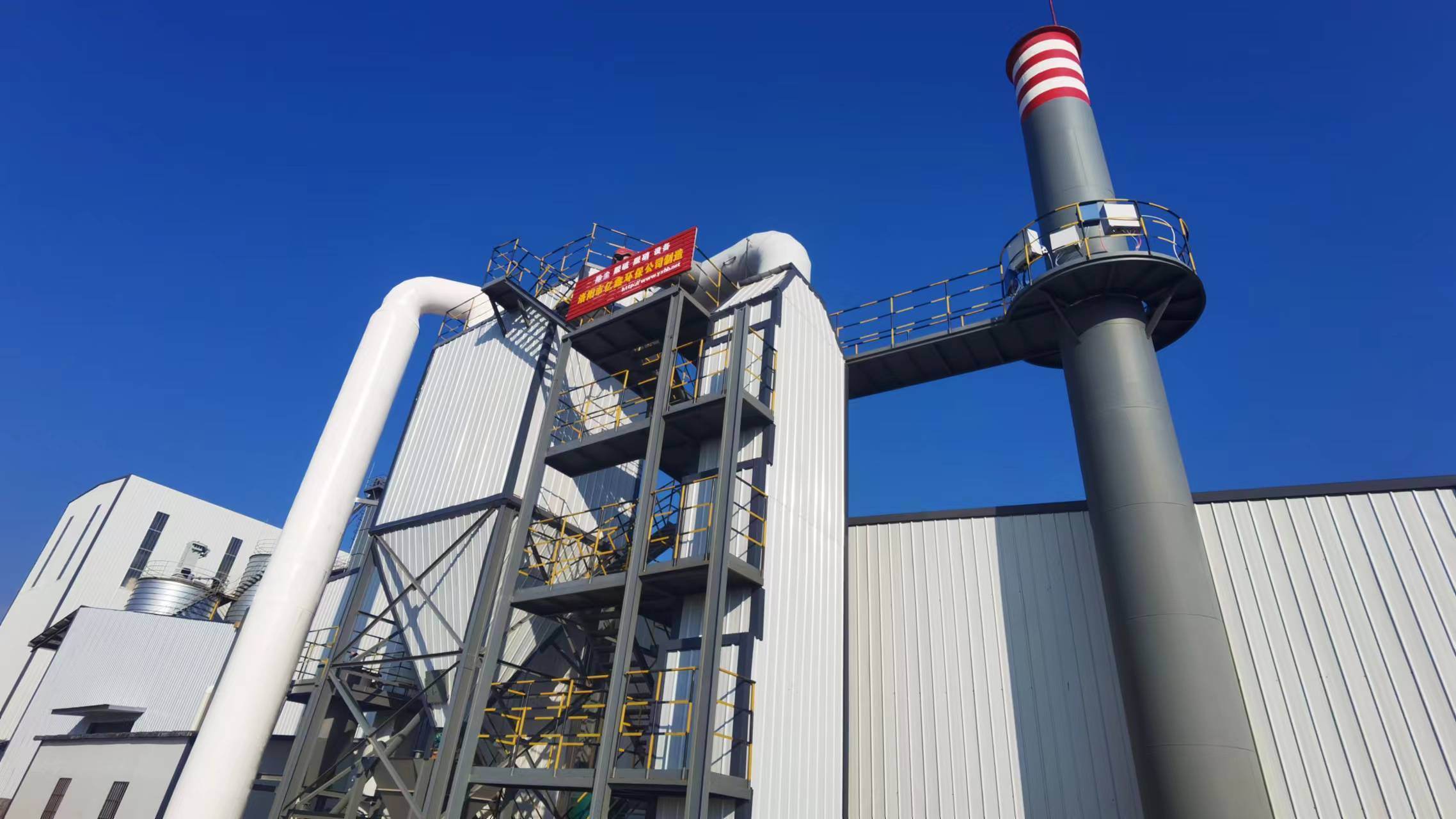
A brief description of dry desulfurization and denitrification equipment manufacturers
Dry desulfurization and denitrification equipment is a highly efficient emission reduction technology that can convert sulfur dioxide and other major industrial emissions from coal and oil combustion into harmless substances. With increasingly stringent environmental regulations and industrial development, more and more companies are choosing dry desulfurization and denitrification equipment manufacturers for purification. 1. Working principle Dry desulfurization and denitrification technology is a very effective governance project. By adding an absorbent that can chemically react with sulfur dioxide, nitrogen oxides, and other components in the pollution source, and under the action of a high-speed rotating nozzle, the absorbent is rapidly mixed with the gas in the pollutants, thereby achieving high-efficiency removal of harmful gaseous pollutants such as sulfur dioxide and nitrogen oxides. 2. Advantages and application range It has the advantages of high efficiency, energy saving, environmental protection, and safety, which can effectively reduce industrial pollution emissions and ensure the stability of enterprise production. It is now widely used in power plants, chemical industry, metallurgy, building materials and other industrial fields, and has a wide range of applications. 3. How to choose a high-quality dry desulfurization and denitrification equipment manufacturer Consider multiple factors such as scale. When choosing, consider the company's strength, after-sales service, and other aspects. Try to choose large enterprises with qualification certification and technical support to ensure equipment quality and after-sales service.
2023-05-22
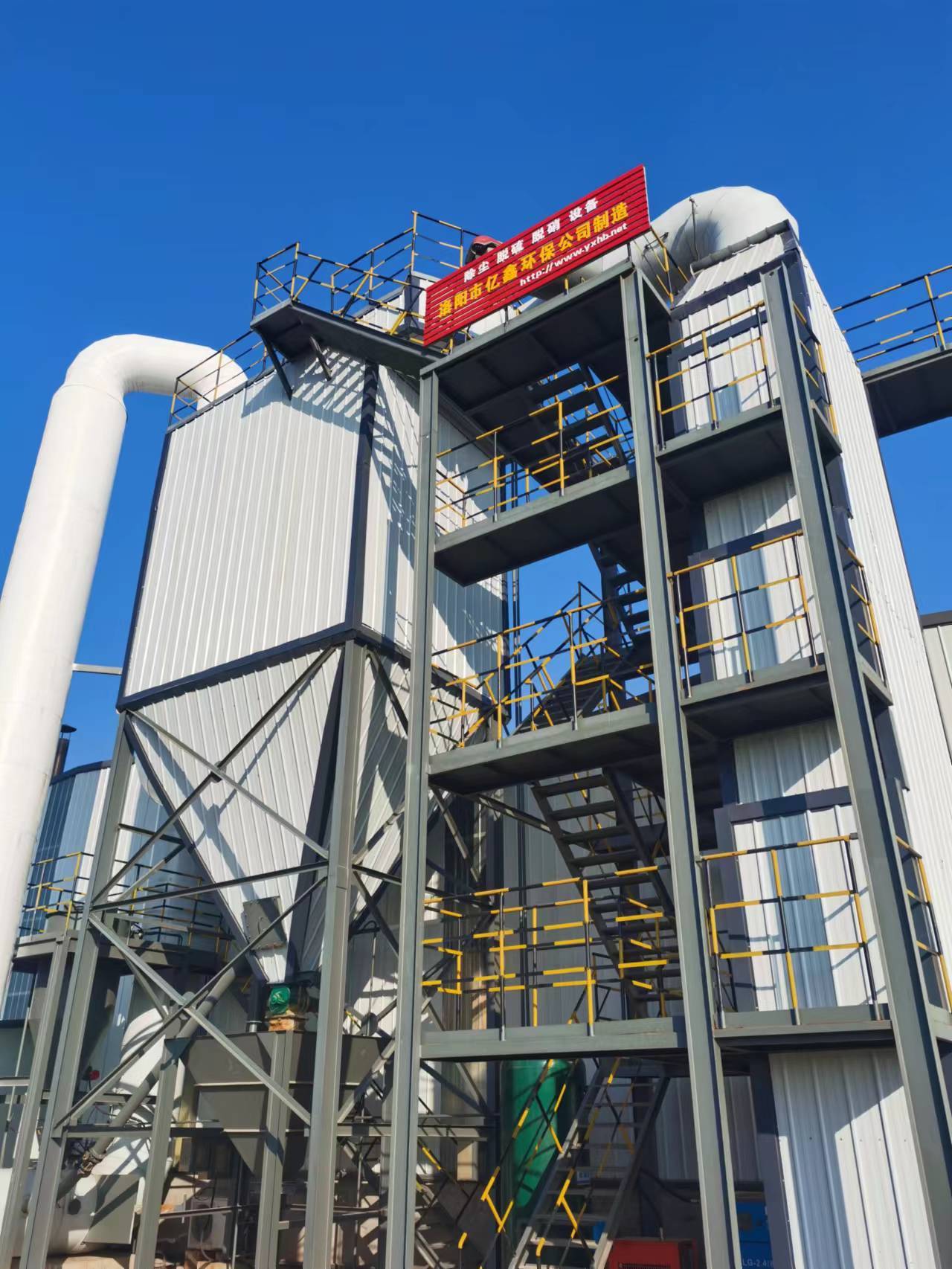
How to choose a dry desulfurization and denitrification equipment manufacturer?
Dry desulfurization and denitrification equipment manufacturers indicate that with the increasing awareness of environmental protection, the market demand for desulfurization and denitrification equipment is also increasing, and dry desulfurization and denitrification equipment, as a relatively environmentally friendly equipment, has also received widespread attention. Dry desulfurization and denitrification equipment refers to the technology of using oxidants and alkaline adsorbents for desulfurization and denitrification. Compared with wet desulfurization and denitrification equipment, it has significant advantages: higher sulfide removal efficiency, lower energy consumption, and smaller footprint. So, how should dry desulfurization and denitrification equipment manufacturers choose? First, the quality of the equipment; choose manufacturers with high technical level and good production processes. Second, after-sales service; a good after-sales service system can make users more comfortable when using the equipment. Another important point is the price. There are many dry desulfurization and denitrification equipment manufacturers on the market. Although the prices may vary, it is important not to be greedy for cheap prices and purchase equipment with poor quality and after-sales service, which would result in significant losses. Therefore, before purchasing dry desulfurization and denitrification equipment, it is necessary to understand the situation and choose a manufacturer with strong capabilities to ensure the stability and practicality of the equipment.
2023-05-12
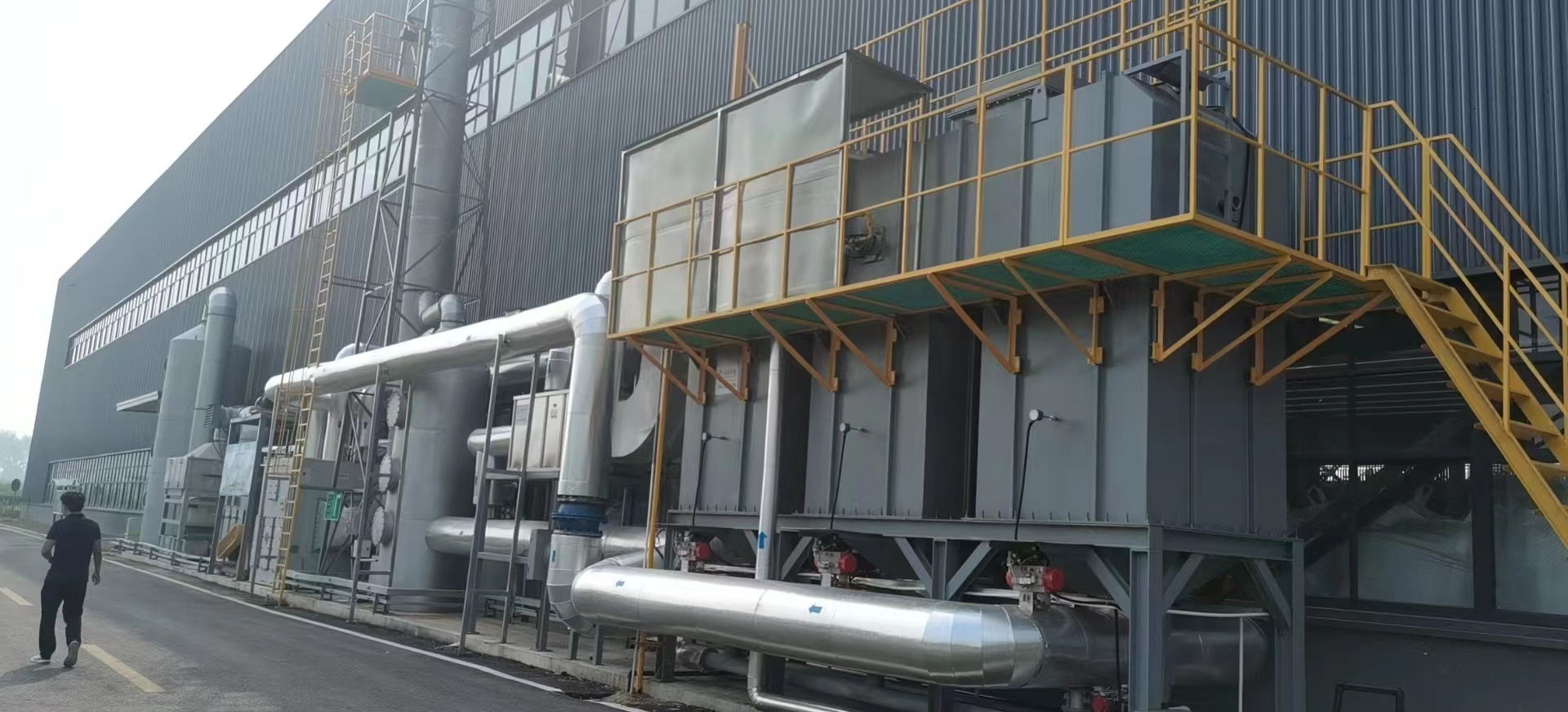
Which manufacturers of dry desulfurization and denitrification equipment are worth choosing?
With increasing environmental awareness, dry desulfurization and denitrification equipment is being widely used in various fields. The quality of dry desulfurization and denitrification equipment has become a concern. When selecting manufacturers of dry desulfurization and denitrification equipment, many people choose big brands, believing that the brand's strength can guarantee the quality and service of the equipment. However, in reality, big brands are not necessarily the best choice. Firstly, some big brands may also have products that fail to meet quality standards. Secondly, big brands often have higher prices, increasing the operating costs of enterprises. Smaller manufacturers of dry desulfurization and denitrification equipment may pay more attention to product quality and service. For some small and medium-sized enterprises, choosing a smaller manufacturer may be more advantageous. Therefore, the key is to choose a manufacturer with guaranteed quality and reliable service. This can be evaluated through multiple aspects such as on-site inspections, checking qualification certificates, and customer reviews. Therefore, even if the manufacturer of dry desulfurization and denitrification equipment is not a big brand, there is no need to worry too much. As long as you carefully compare and choose a manufacturer with guaranteed quality and considerate service when selecting, you can rest assured to use the dry desulfurization and denitrification equipment. Dry desulfurization and denitrification equipment is a type of equipment that has gradually been applied in recent years to purify particulate matter and gaseous pollutants, and it is used in conjunction with advanced technology.
2023-05-11
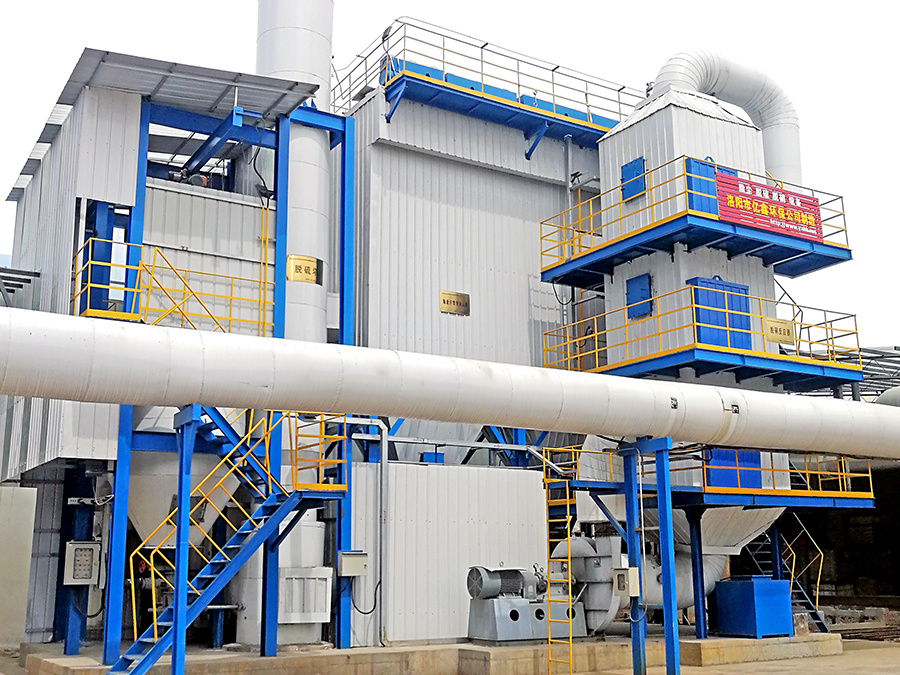
Dry desulfurization and denitrification equipment manufacturers indicate that desulfurization and denitrification are acid-base neutralization processes. Desulfurization removes SO2 (sulfur dioxide) from flue gas, while denitrification mainly removes NOx (nitrogen oxides). These two substances, upon entering the atmosphere, form acid rain, which is very harmful to human health. Therefore, the government has been advocating for environmental protection. Coal-fired flue gas contains these substances, especially in thermal power plants. Desulfurization must be constructed simultaneously with thermal power plants. The government has not yet begun to mandate denitrification. The working principle of desulfurization and denitrification equipment is to reduce the generated NOx to N2, thereby removing NOx from the flue gas. According to the treatment process, it can be divided into wet denitrification and dry denitrification, mainly including: acid absorption method, alkali absorption method, selective catalytic reduction method, non-selective catalytic reduction method, adsorption method, plasma activation method, etc.; some people also use microorganisms to treat nitrogen oxide waste gas. Dry desulfurization and denitrification equipment manufacturers introduce that the desulfurization process is to prepare an alkaline desulfurizing agent (such as limestone, CaO, sodium hydroxide, etc.) into a slurry, which is mixed with boiler flue gas, sulfur dioxide, and water to generate acid, and then reacts with the alkaline desulfurizing agent to generate CaSO4 (calcium sulfate). The principle of denitrification is similar to that of desulfurization, both using ammonia water or urea as denitrifying agents. Regarding flue gas desulfurization and denitrification equipment introduction:
2023-05-04
As we all know, desulfurization, denitrification, and dust removal equipment is an ideal environmental protection device that has made outstanding contributions to the environment. But do you know how it works to protect the environment? Below, the dry desulfurization and denitrification equipment manufacturer will give you a detailed introduction! After desulfurization and denitrification, the flue gas enters the dewatering tank, where it rises spirally, completing the dewatering process. The dewatered flue gas returns to the flue gas heating device. The high-temperature flue gas undergoes heat exchange, raising the flue gas temperature above the dew point, solving the problem of moisture in the flue gas. After being reheated in the greenhouse, the flue gas is introduced into the chimney by the induced draft fan for standard emission. Operation process of desulfurization, denitrification, and dust removal equipment: Below, the dry desulfurization and denitrification equipment manufacturer shares the detailed process of the operation of desulfurization, denitrification, and dust removal equipment. When operating desulfurization, denitrification, and dust removal equipment, you can compare it. Flue gas operation path of boiler dust remover: Flue gas passes through the existing electrostatic precipitator and blower through the flue system; flows through the axial flow booster fan and enters the desulfurization tower. After entering the desulfurization tower, the flue gas contacts the countercurrent spray liquid containing ammonia water slurry, and the SO2 is absorbed by the ammonia water slurry. The slurry simultaneously saturates the gas and cools it from an inlet temperature of 135℃ to 50℃, after which the gas passes through two corrugated separators at the top of the desulfurization tower.
2023-04-23
The integrated desulfurization and denitrification unit shows remarkable effects. Flue gas desulfurization and denitrification integrated technology is one of the most effective methods for controlling SOx and NOx emissions. In recent years, flue gas desulfurization and denitrification integrated technology has become a cutting-edge technology in the field of air pollution control due to its advantages of simultaneous desulfurization and denitrification in the same system, such as simplified equipment, small land occupation, low investment, and ease of use. Business Management. Research direction. Dry desulfurization and denitrification equipment manufacturers indicate that generally, desulfurization and denitrification technologies can be divided into three major categories: wet, dry, and semi-dry methods, according to the state of the desulfurizing agent and reaction products. Wet processes are mature, efficient, and widely used, but they have problems such as high cost, large land occupation, high water consumption, easy secondary pollution, ammonia leakage, and equipment corrosion; although dry and semi-dry processes still have some technical problems, they have become a very promising flue gas purification technology due to their advantages of low water consumption, low operating cost, simple equipment, and small land occupation. Dry desulfurization and denitrification equipment manufacturers indicate that there are two denitrification technologies widely used in actual projects in China at present. 1. The common denitrification method for small boilers is to use low-nitrogen burners for denitrification. Principle: Low NOx burners, that is, low nitrogen oxide burners, refer to NOx during fuel combustion.
2023-04-07
Factors Affecting the Service Life of Dust Removal Equipment in Henan
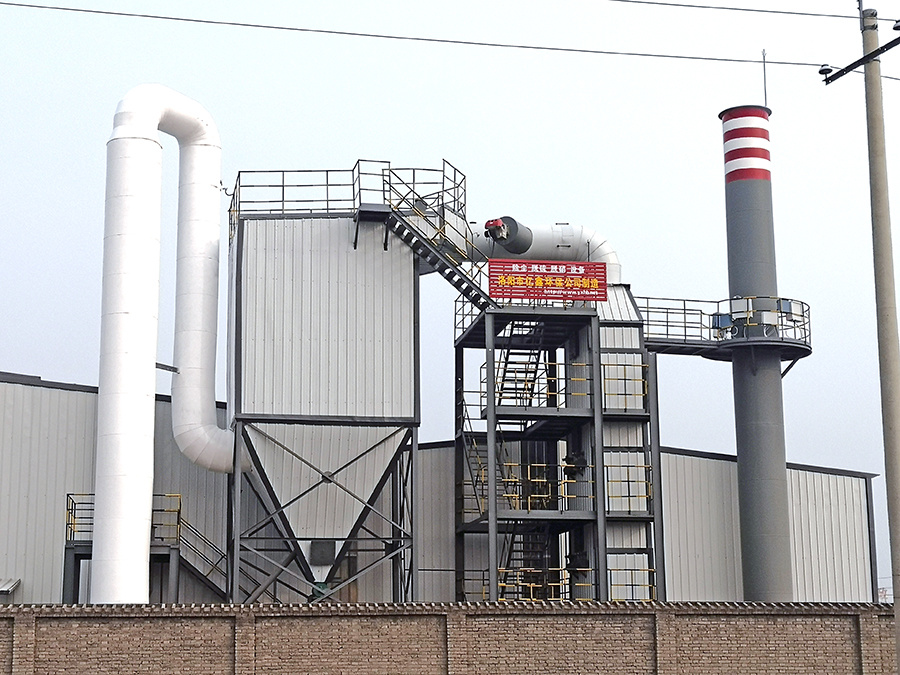
Henan dust removal equipment is widely used in the flue gas treatment of power plant heating furnaces due to its high dust removal rate, low energy consumption, simple process flow, and adaptability to various types of coal. In the dust removal process using baghouse dust collectors, it is necessary to understand the factors that affect the service life of dust collector bags to facilitate users to take timely inspection, maintenance, and maintenance measures to improve the service life of the baghouse dust collector. Below, the baghouse dust collector manufacturer will introduce what factors affect the service life of the baghouse dust collector? Factors affecting the service life of Henan dust removal equipment: 1. Influence of filter bag material; The raw material of the dust collector bag should be selected according to the interception of fine dust, the holes of the fabric warp and weft map are small, the warp and weft map lines are thin, the fabric fluff is long and elastic, can cover the holes, and has compressive strength. 2. The influence of high temperature on dust collector bags. When the exhaust gas temperature exceeds 160℃, the ambient temperature has a significant direct impact on the service life of the dust collector bag. With the increase of temperature, the loss of the service life of the dust collector bag gradually increases, and the filter material will be damaged. Therefore, the exhaust gas temperature should be strictly controlled during operation, and the occurrence of long-term overheating operation and short-term temperature surge events should be avoided. 3. The influence of filtration wind speed on
2023-03-23
Maintenance and repair of dust removal equipment in Henan
Henan dust remover equipment manufacturers indicate that during the maintenance and repair of baghouse dust collectors, the high-frequency transformer and self-acting regulating valve should be disconnected to ensure the air supply package is under saturated water vapor. During the maintenance and repair of the filter cartridge dust collector, the internal dust should be cleaned, and after being left to stand, the internal dust should be continuously monitored. The use of fire is strictly prohibited for lighting equipment and machinery. Fire extinguishing equipment should be installed on-site to prevent explosions and safety accidents. (1) Establishing a timely maintenance management plan helps to properly handle difficulties and prevent safety accidents. (2) Flammable items are strictly prohibited near the filter cartridge dust collector, ensuring natural ventilation. (3) Maintain the airtightness of the filter cartridge dust collector and the operating condition of the wind hood (including the centrifugal fan). (4) Maintain the dust collector bags. Damaged dust collector bags should be removed immediately. Storage of dust collector bags should pay attention to dryness, ventilation, and anti-fouling, and maintenance is required. (5) Regularly remove sediment and water from the air source processor. (6) Regularly lubricate the transmission system and equipment. After lubrication, pay attention to dust prevention. When closing various inspection ports, ensure that sealing gaskets are installed. (7) Maintain the pulse control instrument and electromagnetic valve of the ash removal and dust removal system.
2023-03-08
Henan dust remover equipment manufacturers indicate that dust removal bags play a very important role in baghouse dust collectors. The quality of dust removal bags directly affects the normal operation of the baghouse dust collector system. During the operation of the baghouse dust collector, daily maintenance of the dust removal bag is an important stage. How should the dust removal bag be maintained? 1. Aging of dust removal bags in the operation of Henan dust removal equipment Dust removal bags will age after being used for a period of time. The root cause is caused by the following reasons: 1. Abnormal continuous high temperature and hardening reduction. 2. Reaction caused by contact with acid, alkali or solvent vapor. Reaction with moisture. 2. Blockage of dust removal bags When the dust removal bag is blocked, the frictional resistance increases, and the reading of the pressure gauge increases. This kind of bag blockage can easily cause wear and tear, breakage, or falling off of the bag. In such cases, temporary dust removal can be performed to eliminate the blockage of the bag. Or partially replace the bag, and adjust the equipment and operating conditions. 3. Dust removal bags should not be hung too loosely or too tightly If the dust removal bag is hung too loosely, dust will accumulate. If it is hung too tightly, it will often damage the bag. Unused bags should first be cleaned with compressed air before inspection.
2023-02-27
Bag filter supplier: Working principle and advantages and disadvantages of bag filter
Bag filter supplier introduction: Bag filter is a dry dust collector. The filter material will be used for a period of time. Due to shielding, collision, retention, diffusion, and electrostatic effects, a layer of dust accumulates on the surface of the filter bag, which is called the primary layer. In the subsequent movement process, the primary layer becomes the main filtration layer of the filter material. With the help of the primary layer, filter materials with larger mesh sizes can achieve higher filtration efficiency. As dust accumulates on the surface of the filter material, the efficiency and resistance of the dust collector also increase accordingly. When the pressure difference between the two sides of the filter material is large, some fine dust particles attached to the filter material will be squeezed out, reducing the efficiency of the dust collector. In addition, the high resistance of the vacuum cleaner will significantly reduce the air volume of the dust removal system. Therefore, after the resistance of the vacuum cleaner reaches a certain value, the dust should be cleaned in time. The initial layer must not be damaged during the dust removal process to avoid reduced efficiency. In recent years, in order to improve the atmospheric environment, the state has introduced a series of policies and measures to control environmental pollution. Among them, governance must start from the source. Many factories directly discharge smoke into the atmosphere without complete filtration, which not only pollutes the atmosphere but also faces penalties from environmental protection departments. However, bag filters can now solve this problem. I. Working principle of bag filter
2023-02-16
Bag filter supplier: How to maintain a bag filter?
Bag filter supplier introduction: Bag filters are widely used and will be used in many industries. As we all know, many industries have created a large number of dust-like air pollution sources throughout the consumption process. Such air pollution sources are very harmful to the environment and therefore need to be stopped immediately. To successfully address this problem, it can poison and consume dust that cannot be stopped throughout the process. Bag filters can effectively filter out dust and other air polluting compounds from the air. Bag filters operate continuously for 24 hours and should be repaired immediately. How to maintain a bag filter? 1. Immediately remove and replace the filter material used to secure steam, as well as the water and oil filters, filter systems, air compressors, air compressors, air tanks, airbags, and filter elements used to secure air, which takes about 4-6 months. These all need repair, maintenance, disassembly, and replacement. 2. The operation of bag filters is energy-consuming, and it is also necessary to set up personnel to conduct regular inspections and write operating instructions. The selected personnel are familiar with the basic principles of bag filters, can stop maintenance, and can find missing parts and abnormalities in the middle. However, it should be noted that if after each dust removal in the discharge
2023-01-14

The company mainly produces various dust removal, desulfurization, denitrification, VOCs waste gas purification, wastewater treatment, noise reduction, complete sets of industrial electrical control systems and equipment, and researches and develops waste gas, wastewater, waste residue, and noise treatment equipment.
Contact Us
Telephone:+86-379-67323008
Phone:+86-5824998401
+86-9838965599
Email:yx23008@163.com
Address: Xin'an County Economic and Technological Development Zone, Luoyang City, Henan Province